
Cricket Field and Pitch: Every cricket match unfolds on a large open field, but the real battle between bat and ball happens in the center on the Cricket Field and Pitch. While it may look simple to the untrained eye, every part of the cricket field and pitch influences how the game is played, how the ball behaves, and how players plan their strategies.
From the grass length to the soil texture, from boundary size to pitch hardness — every element can change the direction of a match.
This is your complete guide to the cricket field, pitch, wickets, creases, boundaries, and the role each plays in the sport.
Understanding the Cricket Field and Pitch – The Playing Area

Before diving into the pitch, it’s important to understand the layout of the cricket field itself.
What the Field Includes
- An oval or circular grassy ground
- The pitch in the center
- Boundary fence/line
- Fielding positions arranged around the pitch
- Inner circle markings (in limited-overs cricket)
Field Dimensions
There is no fixed size for a cricket field — but ICC guidelines suggest:
- Minimum boundary: 59 meters from the center
- Maximum boundary: 82 meters from the center
Why Field Size Matters
- Smaller boundaries favor batters
- Larger boundaries favor bowlers (especially spinners)
- Outfield speed affects how quickly the ball travels
Outro
No two cricket grounds are exactly the same — and that uniqueness makes each match unpredictable and exciting.
The Pitch – The Heart of the Cricket Ground
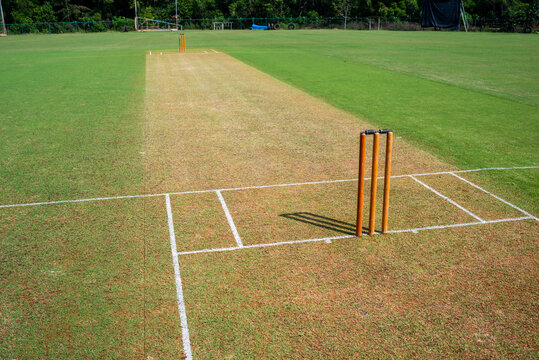
The pitch is the most important part of the cricket field. It directly affects bounce, pace, spin, and the outcome of the match.
Pitch Dimensions
- Length: 22 yards (20.12 meters)
- Width: 10 feet (3.05 meters)
- Rectangular area made of clay, soil, grass, or artificial material
Types of Cricket Pitches
- Green Tops – extra grass, help fast bowlers
- Dry, Cracked Pitches – assist spin bowlers
- Hard Pitches – produce pace and bounce
- Dead Pitches – little movement, favor batters
- Dusty Pitches – common in Asia, assist spin
Why Pitch Conditions Matter
- Determines team selection
- Influences captain’s decision at the toss
- Shapes whether a match is batting-friendly or bowler-friendly
Outro
A pitch’s behavior can change across days (in Tests) or even across overs, making cricket one of the most strategic sports in the world.
Wickets – Structure & Purpose

Wickets are the wooden structures placed at each end of the pitch. They are central to dismissals and scoring decisions.
Wicket Structure
A wicket consists of:
- Three vertical stumps
- Two bails resting on top
Wicket Dimensions
- Stump height: 28 inches
- Total width: 9 inches
Why Wickets Matter
- Bowled, LBW, runout, stumping all depend on the wicket
- Bowlers aim to hit or threaten the stumps
- Wicket condition (hard/soft) affects bounce
Outro
Without wickets, cricket would lose its core contests — bowler vs batter, precision vs defense
Creases – Markings That Govern Play

The creases are white painted lines that decide where bowlers bowl from and where batters stand.
Types of Creases
- Popping Crease
- Where the batter stands
- Used for runout/stumping decisions
- Bowling Crease
- Marks where stumps are placed
- Defines a bowler’s legal delivery area
- Return Creases
- Vertical lines on both sides of the bowling crease
- Bowler must not step outside these during delivery
Why Creases Are Important
- Legal delivery depends on bowlers’ foot placement
- Runout and stumping depend on batter’s position
- Defines safe and danger zones for both sides
Outro
The creases may look like simple lines, but according to cricket rules, they determine crucial decisions regarding legality, fairness, and dismissals.
Boundary – The Edge of the Cricket Field
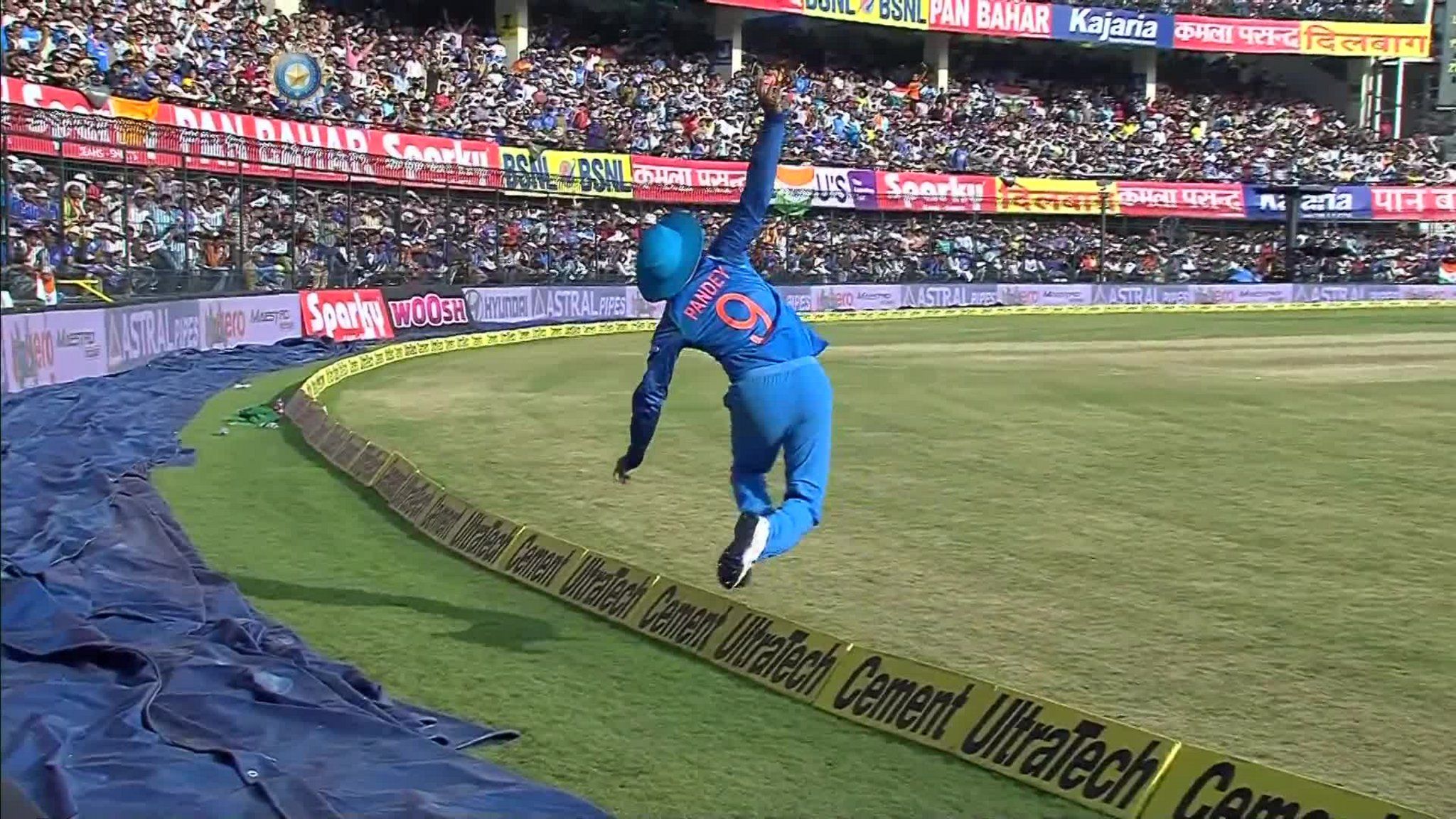
The boundary marks the edge of the playing area. It can be:
- A rope
- A painted line
- A fence
- Advertising cushions
Boundary-Related Scoring
- If the ball touches the ground before crossing the boundary → 4 runs
- If the ball clears the boundary without touching the ground → 6 runs
- If a fielder touches the boundary while touching the ball → counted as boundary
Boundary Size Rules
- Must be 59 to 82 meters from pitch (ICC guideline)
- Affects power-hitting tactics
- Influences field placement choices
Outro
Boundaries determine scoring excitement — making modern cricket thrilling with 4s and 6s dominating the highlight reels.
How the Field Affects Gameplay and Strategy
Every cricket field has unique characteristics, and professional teams study each ground in detail before a match.
Key Factors Affecting Strategy
- Outfield speed: Fast outfields make boundaries easier
- Wind direction: Helps swing bowlers
- Boundary size: Changes batting plans
- Pitch location: Can affect left/right-handed batters
- Grass coverage: Affects seam movement
How Teams Use This Knowledge
- Adjust batting order
- Select different bowlers
- Set specific field placements
- Plan powerplay strategies
Outro
Ground conditions can turn a match on its head — making cricket a sport where intelligence and adaptability matter as much as skill.
How the Pitch Changes During a Match
A cricket pitch does not stay the same throughout a game. Conditions evolve, affecting how batters and bowlers perform.
Pitch Behavior Over Time
Day 1 (Test Match) / Early Overs
- Fresh pitch
- Good bounce
- Better for batting
Day 2–3 / Mid Game
- Cracks begin to form
- Seam movement reduces
- Spin starts coming into play
Day 4–5 / Late Game
- Pitch deteriorates
- Uneven bounce
- Spin bowlers become dominant
Outro
A dynamic pitch adds layers of strategy — the match becomes a battle of survival, patience, and smart adjustments.
Final Summary – Why the Cricket Field & Pitch Matter
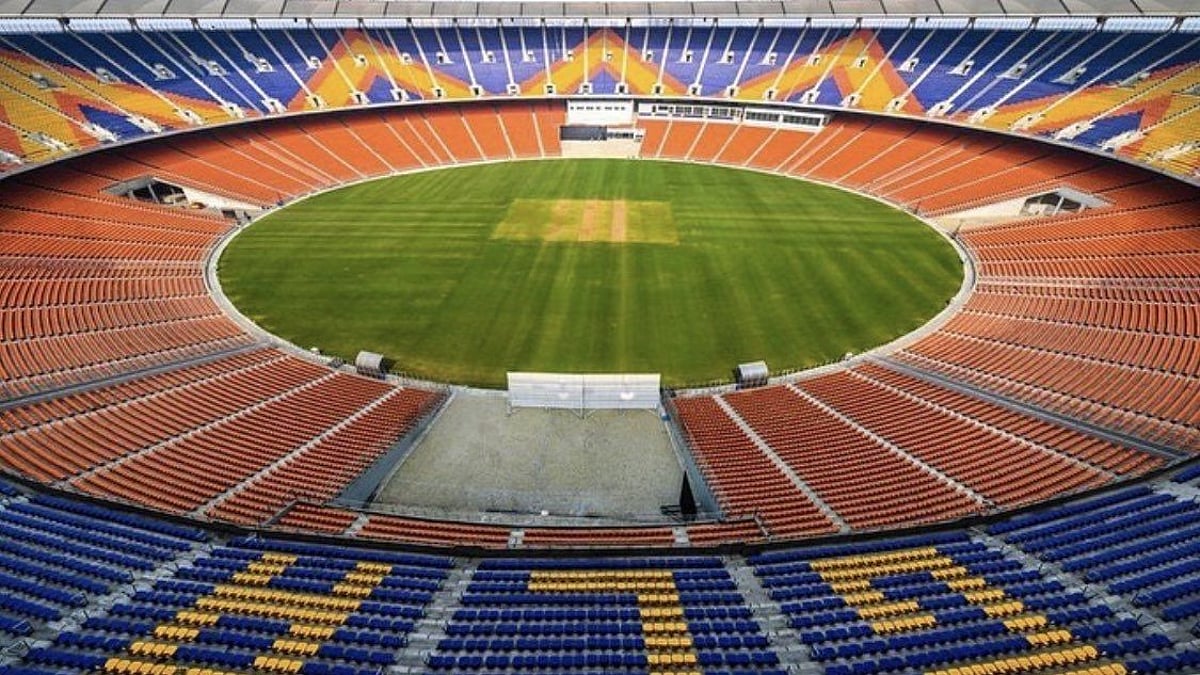
The cricket field and pitch are more than just playing areas — they dictate the tone, strategy, scoring potential, and overall nature of a match.
Quick Recap
- The pitch controls bounce, turn, and pace
- The wickets are key to dismissals
- Creases define legal play
- Boundaries influence scoring
- Ground size and conditions affect tactics
Outro
Understanding the cricket field and pitch helps fans appreciate the deeper layers of cricket — why a captain chooses to bat first, why a bowler changes angle, or why a batter struggles on a turning pitch. Every blade of grass matters in the beautiful game of cricket.
FAQs
Q1. What is the length of a cricket pitch?
22 yards (20.12 meters).
Q2. Why do some pitches help fast bowlers?
Grass, hardness, and moisture affect bounce and seam movement.
Q3. What is the boundary in cricket?
The edge of the field that determines 4s and 6s.
Q4. What are creases in cricket?
White lines defining batter position, bowler legality & stumping area.
Q5. Do all cricket grounds have the same size?
No. Each ground has unique dimensions.