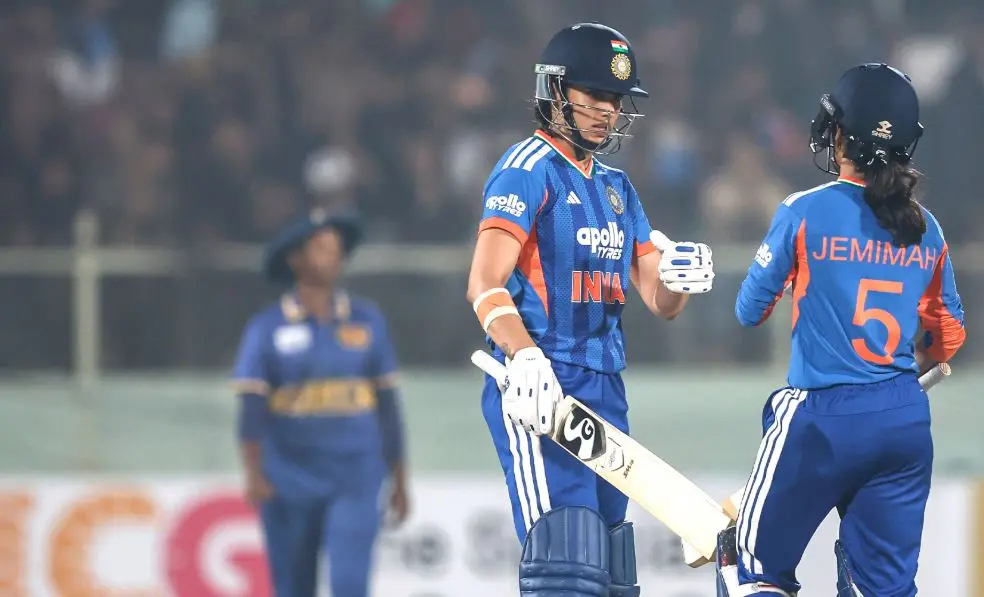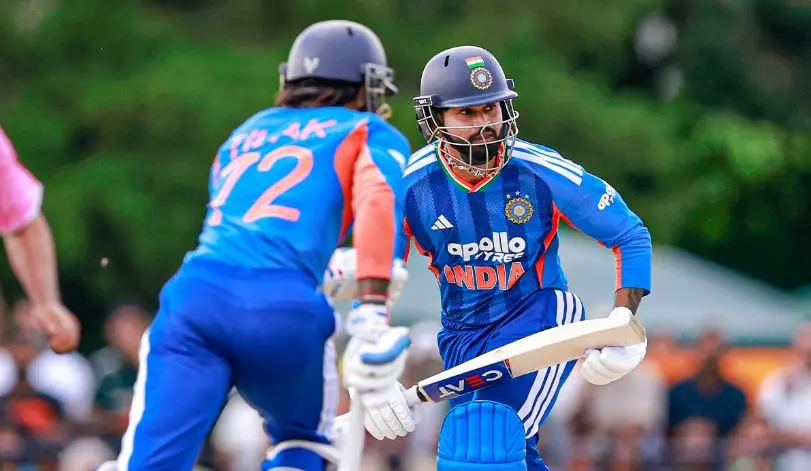

India vs Japan 2026: 3 Areas India Must Fix After Narrow 2-Run Win: In a thrilling, rain-affected match at the India tour of Japan, 2026, the Indian team defeated Japan by just two runs. Played at the Sano International Cricket Ground, the match was reduced to five overs per side due to rain. Batting first, India scored 32 runs; in reply, Japan could only manage 30. Shreyas Iyer steadied the Indian innings with a composed knock of 16 runs off 12 balls and was named ‘Player of the Match’.
1. Top-Order Collapse and Early Wickets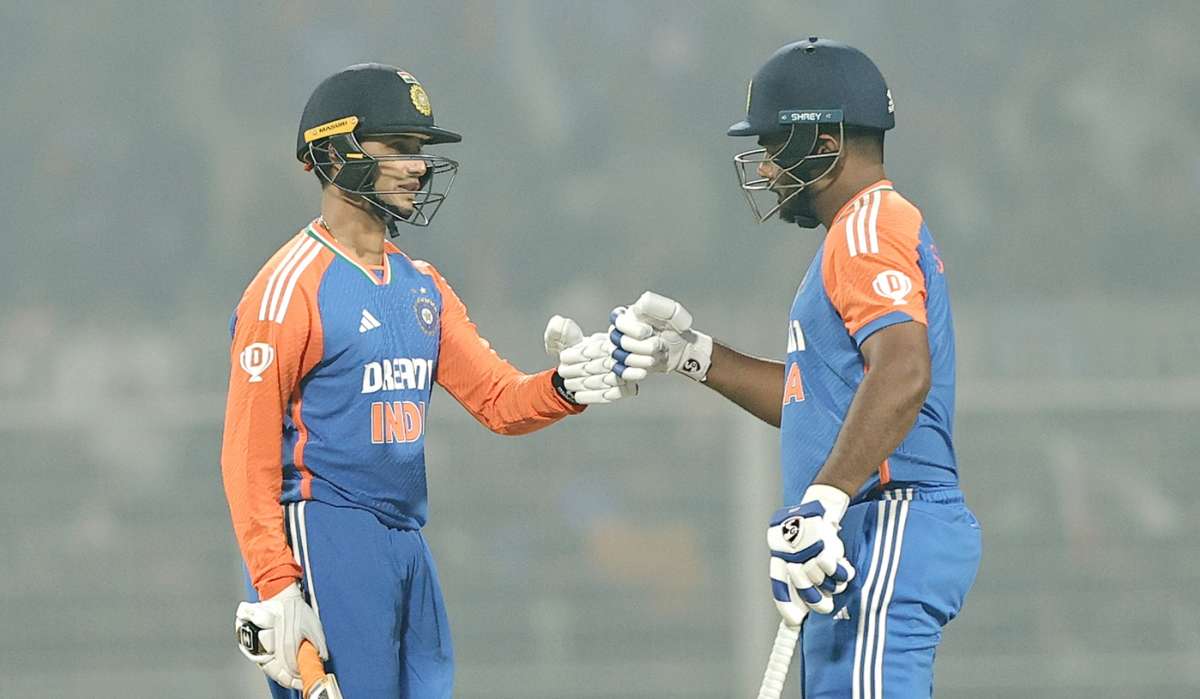
India got off to a disastrous start in the match. Star opener Abhishek Sharma was dismissed for a duck, while Sanju Samson (9 runs) and Ishan Kishan (3 runs) also failed to make an impact. Three of the team’s four key batters returned to the pavilion cheaply. Facing a relatively weak bowling attack like Japan’s, Charlie Hara-Hinze troubled the Indian batters significantly and claimed two wickets. If the top order collapses in a similar fashion against stronger teams in the upcoming knockout matches, it will be difficult for Team India to stage a comeback.
2. Tactical Approach and Wicket Preservation in Short Formats
In a match lasting only five overs, every single ball becomes crucial. The Indian team could only manage 32 runs within the allotted overs. Losing wickets in quick succession early on prevented the team from posting a big total. In rain-affected matches—such as T10 or five-over contests—it is essential to make the most of the available deliveries.
In upcoming matches, Indian batters will need to strike the right balance between scoring quickly from the opening overs and preserving their wickets.
3. Fielding Under Pressure and Match-Finishing Execution
Chasing a target of 33 runs, the Japanese team took the match right down to the final ball. Although economical bowling by Washington Sundar and a brilliant direct-hit run-out by Ishan Kishan brought India back into the contest, Japan’s captain Kendel Kadowaki-Fleming (12 runs off 12 balls) had nearly taken the match out of India’s grasp. In such tight encounters, India must focus more on fielding under pressure and bowling with precise line and length during the powerplay and death overs.
This narrow victory over Japan has provided the Indian team with an excellent opportunity for introspection ahead of the knockout stage. It will be interesting to see how the captain and coaching staff—having learned from these errors—devise their strategy for the quarter-final match on September 28.
Also Read: Sanju Samson 9000 T20 Runs: Complete List of Highest T20 Run-Scorers for India